

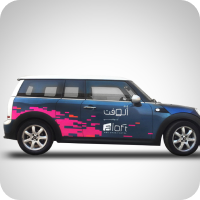
 Vehicle Graphics
 Branding
 Stickers
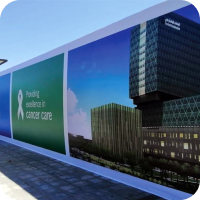 Hoarding
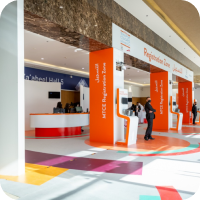 Exhibition Stands
 UV Flatbed Printing
 Signage
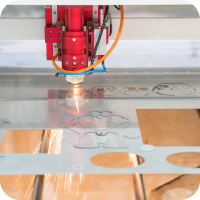 Laser Cutting
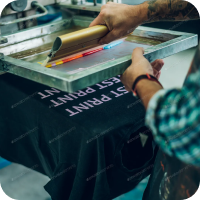 Screen Printing
 Digital Fabric Printing
 Thermal Transfer
 Personalized Gifts
 Promotional Products
 Flag Printing
 Website & Digital Marketing
Large Format Printing: What Businesses Should Know Before Ordering
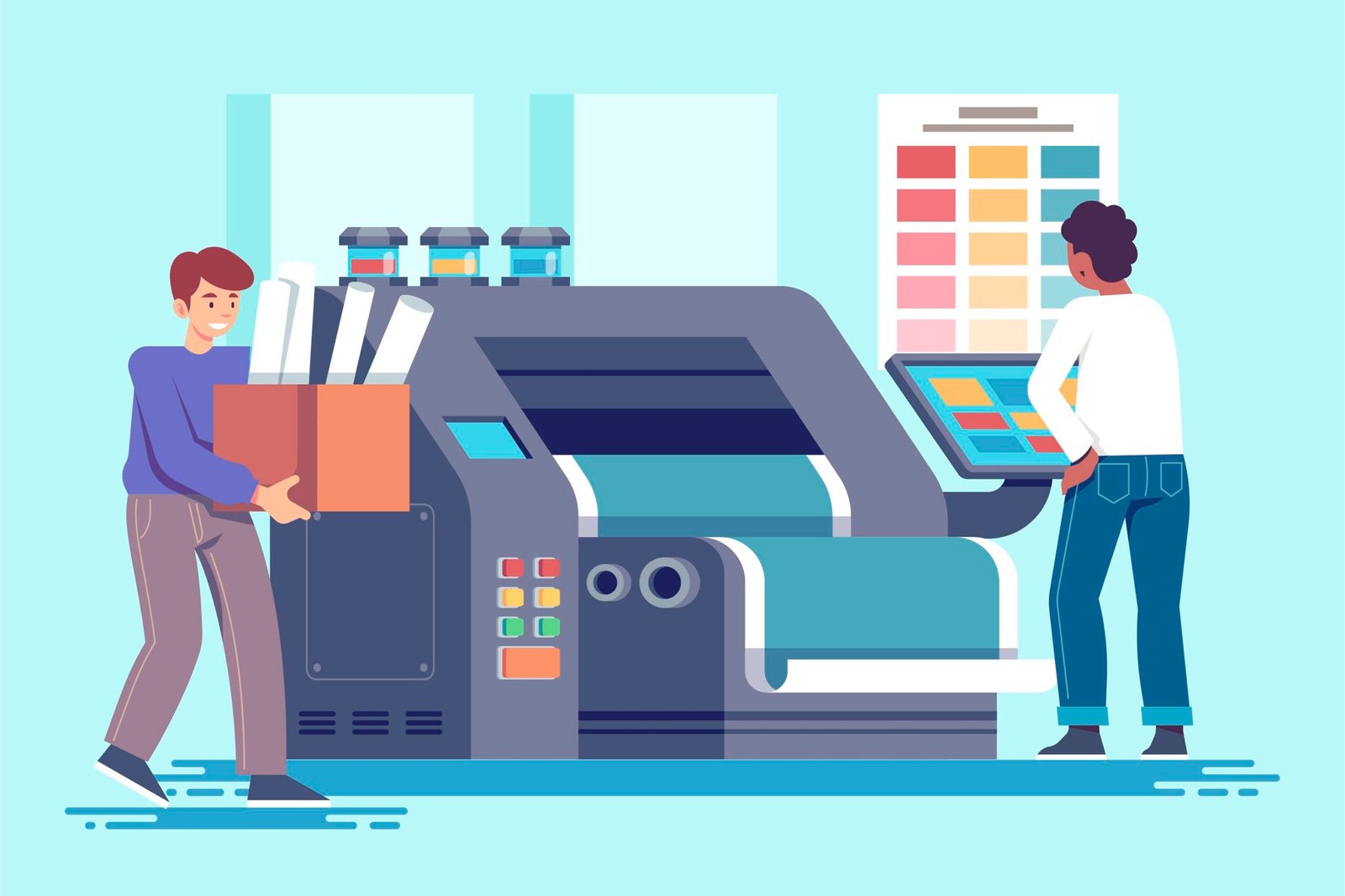
Large Format Printing: What Businesses Should Know Before Ordering
Large format printing is one of the most powerful tools for brand visibility, whether you’re promoting a new product, launching a campaign, or setting up for an event. From wall graphics and banners to backdrops and window displays, these big, bold visuals help your business get noticed fast. But before you place an order, there are a few key things every business should understand to get the best results — in quality, cost, and impact.
🎯 What Is Large Format Printing?
Large format printing (also called wide-format printing) refers to printing on larger materials than standard office printers can handle — typically for applications like:
- Banners (indoor & outdoor)
- Roll-up & pop-up stands
- Posters & large wall prints
- Window stickers & graphics
- Floor stickers & wayfinding
- Hoardings & building wraps
- Exhibition backdrops & stage branding
It’s designed for maximum visibility, usually viewed from a distance, and must balance design, durability, and practicality.
1️⃣ Define the Purpose Before You Design
Before you start artwork, ask: What is this print supposed to do?
- Branding: Logo visibility, brand colours, and recognition.
- Promotion: Communicating offers, new collections, or campaigns.
- Information: Directions, schedules, safety or event details.
- Experience: Creating ambience, décor, or photo spots.
Your goal will influence size, material, placement, and messaging. For example, a mall banner needs high-impact visuals and short copy, while an event schedule board must prioritize legibility.
2️⃣ Choose the Right Material for the Job
The wrong material can ruin a great design — or fail under real-world conditions. Common large format substrates include:
- PVC Vinyl: Ideal for indoor/outdoor banners; durable, flexible, and budget-friendly.
- Mesh Vinyl: Perforated banner material that lets wind pass through — perfect for building wraps and outdoor hoardings.
- Photo Paper / Posters: For indoor use on walls, frames, or display stands.
- Foam Board / Forex: Lightweight rigid boards for shops, exhibitions, and indoor signage.
- Fabric / Textile: Soft signage, backdrops, and exhibition walls with a premium, crease-resistant look.
- Acrylic / Rigid Panels: High-end signage and wall branding with a modern feel (often printed using UV flatbed).
Always tell your print partner where the graphic will be installed (indoor/outdoor, wall/window, permanent/temporary) so they can suggest the best material.
3️⃣ Understand Print Resolution & File Setup
Large prints need properly prepared artwork to look sharp. Key points:
- Resolution: For large prints, 100–150 dpi at final size is often enough because they are viewed from a distance.
- Vector vs Raster: Logos, icons, and text should be in vector format (AI, EPS, SVG) whenever possible for maximum clarity.
- Bleed: Add 5–10 mm (or as specified) bleed on all sides to allow safe trimming.
- Color Mode: Work in CMYK, not RGB, to better match print output.
- Fonts: Convert text to outlines or include fonts when sending files.
If you’re unsure, ask your printer for a template or technical specs before designing.
4️⃣ Consider Viewing Distance & Text Size
There’s no point having beautiful copy if no one can read it. As a rough guide:
- Close view (1–2 m): Minimum 18–24 pt for small signs; 30–40 pt for posters.
- Medium view (3–5 m): Headlines should be large and bold, often 80–120 pt or more.
- Long distance (5–15 m, like hoardings): Very few words, huge letters, and strong contrast.
Work on the principle: one main message, one strong image, one clear action.
5️⃣ Indoor vs Outdoor: Durability & Finish
The environment determines how tough your print needs to be:
- Outdoor Prints: Need UV-resistant inks, weatherproof substrates, and strong fixings (eyelets, poles, frames).
- Indoor Prints: Can prioritize finish (matte, satin, or gloss) and aesthetics over extreme durability.
- Near Foot Traffic: Floor stickers or low wall prints must be anti-slip and scratch-resistant.
Ask for lamination where needed — matte lamination for glare reduction, gloss for extra vibrancy, and textured laminates for added protection.
6️⃣ Installation: Don’t Ignore the Practical Side
Even the best print can fail if not installed properly. Things to consider:
- Who installs? Will your team install it, or do you need professional installers?
- Surface type: Glass, concrete, painted wall, metal, fabric frames — each needs different adhesives/mounting methods.
- Access & Safety: Do you need ladders, scaffolding, or permits for public areas?
- Removability: Does it need to come off cleanly after a campaign (e.g. short-term window stickers)?
Discuss installation when you order — not after printing — to avoid surprises.
7️⃣ Timelines: Plan Ahead
Large format printing involves proofing, production, curing, finishing, and sometimes installation. Typical steps:
- Artwork finalization & approval
- Test/proof print if needed (especially for important colours)
- Production & drying/curing
- Cutting, hemming, eyelets or frame fitting
- Delivery and installation
For events and launches, always build in a buffer — rushing at the last minute risks errors or compromises.
8️⃣ Budget vs Quality: Where to Spend
Not all prints need the same level of investment. Some tips:
- Spend more on: Long-term signage, main backdrops, building facades, and highly visible permanent branding.
- Spend smart on: Short-term campaigns, seasonal posters, and temporary event prints — choose materials that match the campaign length.
- Optimize size: Bigger isn’t always better; choose dimensions based on the actual viewing distance and space.
A good print partner can suggest options at different price points without sacrificing too much quality.
9️⃣ Common Mistakes to Avoid
- Too much text: People don’t have time to read long paragraphs on a banner or stand.
- Poor contrast: Light text on a light background or low-contrast colours are hard to read from a distance.
- Low-resolution images: Pixelated photos damage your brand perception.
- No clear CTA: Always include a website, QR code, social handle, or simple call to action.
- Ignoring the environment: Designing something that looks good on screen but clashes with the actual space or lighting.
🔟 Work with a Reliable Print Partner
Large format printing is not just about machines — it’s about expertise. A good partner will:
- Advise on materials and finishes based on your use case
- Provide templates and specs for your designer
- Offer colour proofs, especially for brand-critical artwork
- Handle installation or guide your team properly
- Deliver on time — especially for events and openings
🚀 Final Thoughts
Large format printing can completely transform how your brand shows up — at events, on the street, or inside your own space. By understanding materials, design, environment, and installation, you’ll get more value from every print and avoid costly mistakes.
If you’re planning your next campaign or event, take the time to ask the right questions, prepare the right files, and partner with professionals who understand both design and production. That’s how you turn large format printing from “just another banner” into a powerful branding asset.
#LargeFormatPrinting #BrandVisibility #EventBranding #RetailBranding #Signage #PrintTips #MarketingDesign